

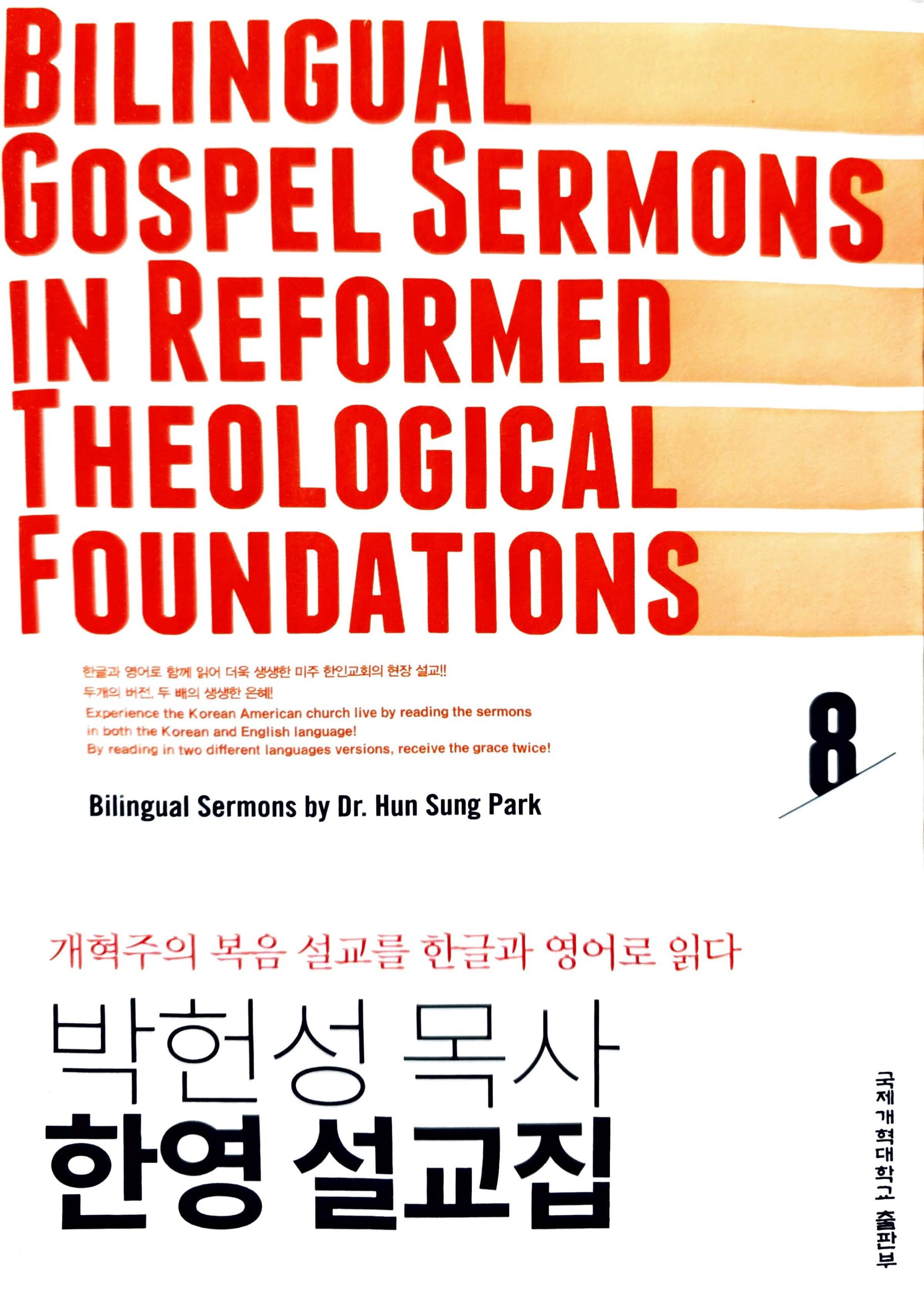
박헌성 목사 한영설교집 제8권 중에서(299)
1998년도 3월에 전 세계가 중국 인민대회당에 쏠려 있었습니다.
In March 1998, the world’s attention was focused on China’s National People’s Congress.
그것은 중국 12억 인구의 경제를 이끌어갈 새로운 지도자 주룽지가 등장했기 때문입니다.
This was because a new leader, Zhu Rongji, who would guide the economy of China’s 1.2 billion people, had emerged.
주룽지에 대한 서방 언론은 기대와 찬사를 보냈습니다.
Western media expressed expectations and admiration for Zhu Rongji.
그는 객관성과 합리성을 가지고 있으며, 특별히 개방적이고 결단력이 있는 지도자라고 했습니다.
He was described as objective and rational, particularly open-minded and decisive.
주룽지는 정치가라기보다 최고의 경영자 CEO 같은 면모를 가지고 있고, 유머 감각이 있으며 미국이 좋아하는 지도자라는 것입니다.
It was said that Zhu Rongji had the qualities of a top CEO rather than a typical politician, possessed a sense of humor, and was a leader that America favored.
그러니까 결국 주룽지는 중국에서 혁명적인 변화를 일으킬 것이고 그 변화와 결단이 중국을 경제 대국으로 만들 것이라고 했습니다.
Ultimately, Zhu Rongji was expected to bring revolutionary changes to China, and it was believed that his decisions and reforms would transform China into an economic powerhouse.
그렇다면 주룽지가 가장 핵심을 두었던 것은 무엇입니까?
So, what was the core focus of Zhu Rongji?
“자발성의 결단”입니다. 자발성을 통한 강한 경쟁력을 도출해 내는 것입니다.
It was the “The determination to act voluntarily.” His goal was to draw out strong competitiveness through voluntarism.
여러분들이 잘 아시는 대로 공산주의가 망한 이유는 자발성의 결단을 끌어내지 못했기 때문입니다.
As you all know, communism collapsed because it failed to cultivate voluntary initiative.
어떤 의미에서는 사람들을 제한적이지만 평등하게 만들고 부자 가난한 자, 가진 자 못 가진 자의 차이는 많이 해결했습니다.
In some ways, communism imposed a form of restricted equality, reducing many disparities between the rich and the poor, between those who had and those who had not.
그러나 사람들로부터 자발성의 결단을 끌어내지 못했습니다.
However, it failed to inspire people to take initiative on their own.
그러니 사람들은 열심히 일하려고 하지 않았습니다.
As a result, people had little motivation to work hard.
그런 자세가 중국을 약화시켰다고 주룽지는 알고 있었기 때문에 자발성의 결단을 불러일으켰던 것입니다.
Zhu Rongji recognized that this mindset was weakening China, which is why he sought to instill a spirit of self-driven determination.
공산주의 사회에 오래 살다가 자유 세계로 망명한 사람들에게 기자들이 물었습니다. “당신들이 자유 세계에 와서 가장 힘들었던 일이 무엇입니까?”
Journalists once asked individuals who had lived under communism and later defected to the free world:
“What was the most difficult challenge you faced after arriving in a free society?”
그때 그들은 “선택과 결단입니다. 무슨 일이든지 순간순간 내가 결단해야 하는 것 그것이 가장 힘이 듭니다.”라고 했습니다.
They answered, “Making choices and decisions. Having to decide everything on my own, moment by moment—that was the hardest part.”
그렇습니다. 우리가 세상을 살면서 자유롭게 선택하고 결단하는 것 그것이 우리 인간에게 있어서 특권일 수도 있으나, 어떤 면에서 우리의 운명을 좌우하는 가장 고통스러운 일일 수도 있습니다.
That’s right. Living in this world, the ability to choose freely and make decisions is both a privilege and, in some ways, the most burdensome responsibility that determines our fate.
그러므로 우리의 삶의 태도, 다시 말해서 우리의 결단을 통해서 우리들의 생애 결과가 완전히 달라지는 것입니다.
Therefore, our attitude toward life—our choices and decisions—completely shape the outcome of our lives.
다음에 계속(To be continued)…